
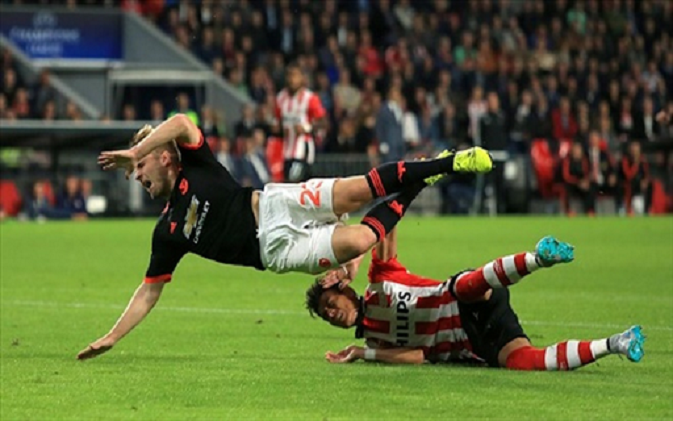
In every top-level match, understanding football fouls helps viewers gain a deeper understanding of every refereeing decision on the pitch. Whether you are a player or a spectator watching for entertainment, the rules governing infringements play a fundamental role in ensuring absolute fairness. Join the Cà Khịa TV brand as we explore common foul situations in detail, along with the relevant disciplinary regulations.
Common Direct and Indirect Football Fouls
To maintain transparency in professional matches, the world football governing body has clearly classified football fouls into two main groups: direct and indirect free-kick offences. Each type of infringement leads to a different form of punishment, depending entirely on the severity of the situation. Fans following tỷ lệ kèo v league should also pay particular attention to these situations because they directly affect the overall course of a match.
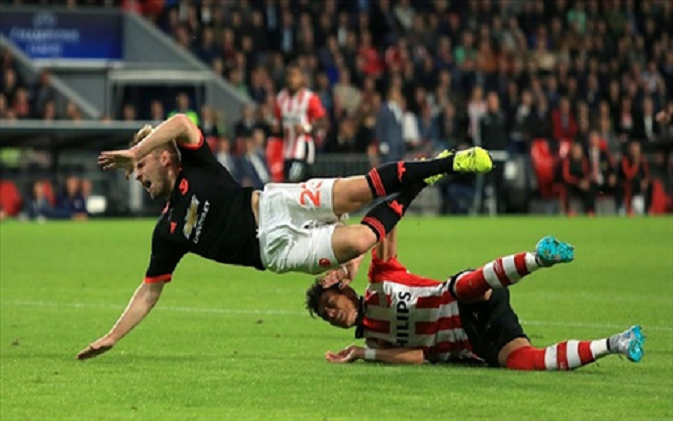
A direct free-kick offence occurs when a player deliberately infringes on an opponent through violent actions such as tripping, pushing, dangerous tackles, or deliberately handling the ball. When such an infringement occurs, the fouled team is immediately awarded a direct free kick, which can be taken straight at the opponent’s goal in an attempt to score. If the offence takes place inside the penalty area, the referee will award an 11-metre penalty, giving the opposing team an excellent scoring opportunity.
Indirect free-kick offences, on the other hand, generally involve technical infringements or illegal obstruction, such as offside, playing with a dangerously high foot, or a goalkeeper holding the ball beyond the permitted time. For an indirect free kick to result in a valid goal, the ball must touch at least one other player before entering the net. Correctly distinguishing between these two types of offences helps spectators assess the match accurately and analyze tỷ lệ kèo v league more effectively.
Types of Disciplinary Sanctions and How Referees Handle Football Fouls
In addition to awarding free kicks on the pitch, the referee also uses strict disciplinary cards to deter misconduct and maintain order throughout the match. Timely intervention by the officiating team helps control players’ tempers and protect the safety of everyone involved in the game.
Yellow and Red Cards Under the Rules Governing Football Fouls
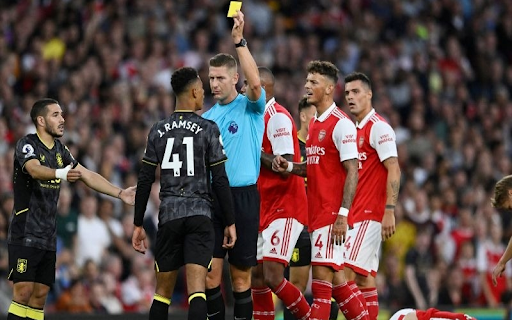
A yellow card is an official warning issued for football fouls and misconduct of a moderate level, such as deliberately disrupting play, repeatedly committing fouls, or showing strong dissent toward the referee. If a player receives two yellow cards in the same match, they will be shown a red card and immediately sent off. Losing a player in this way puts the team at a significant numerical disadvantage and can have a major impact on tỷ lệ kèo v league outcomes.
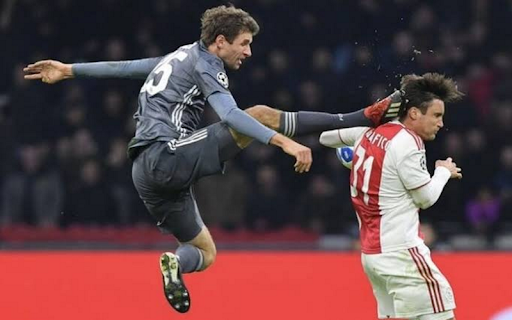
A straight red card is shown immediately when a player commits serious violent conduct, spits at someone, or deliberately handles the ball to deny an obvious goalscoring opportunity. Such serious misconduct not only deprives the team of an important player but may also result in a suspension covering several subsequent matches. When watching thrilling matches through the cakhiaTV platform, viewers can easily review multi-angle slow-motion footage to reassess the referee’s decisions.
The Role of VAR Technology in Detecting Football Fouls
Modern video assistant referee technology has become a powerful tool for minimizing human errors when identifying football fouls. The VAR system intervenes only in four key match-changing situations: goals, penalty decisions, direct red cards, and mistaken identity when identifying an offending player on the pitch. With the support of advanced camera systems, concealed acts of foul play and marginal offside situations can be examined transparently and accurately.
The introduction of modern video review technology helps ensure that the final result of a match accurately reflects what happened on the pitch. Spectators and coaching staff no longer need to argue as extensively over sensitive refereeing decisions in complex situations. This creates a fairer, more exciting, and more complete football-watching experience for fans accessing cakhiaTV.
How to Reduce Football Fouls and Follow Matches More Accurately
According to Cà Khịa Live, minimizing football fouls requires every player to develop a highly disciplined footballing mindset alongside precise individual technical skills. Coaches regularly remind their players to remain focused and control their emotions to avoid unnecessary bookings that could disrupt the team’s overall tactical system. A team that plays with strict discipline generally has a much better chance of winning in demanding, long-running competitions.
Furthermore, having a thorough understanding of the rules allows viewers to fully appreciate the extraordinary appeal and technical beauty of the world’s most popular sport. Closely following intense physical challenges and refereeing decisions provides deeper insight into the high-level tactical thinking of both teams. By choosing the high-quality cakhiaTV online platform, you can enjoy vivid football action and highly accurate, up-to-date information.
Mastering all the regulations governing football fouls is the key to becoming a knowledgeable fan and enjoying your passion for the beautiful game to the fullest. These strict disciplinary rules not only keep matches safe and fair but also add excitement to every moment of play. Join Cà Khịa TV to enjoy top-quality football matches and stay up to date with the latest sporting developments every day.